

When it comes to deciding between reusable medical devices and single-use medical devices or disposable medical supplies, healthcare professionals must consider the pros and cons of each. The reasons go beyond infection control. Cost efficiency, regulatory burden, and environmental impact each exert their own pressure.
For healthcare professionals and OEM buyers weighing single-use vs reusable medical devices, the path forward requires understanding exactly where each option outperforms the other.
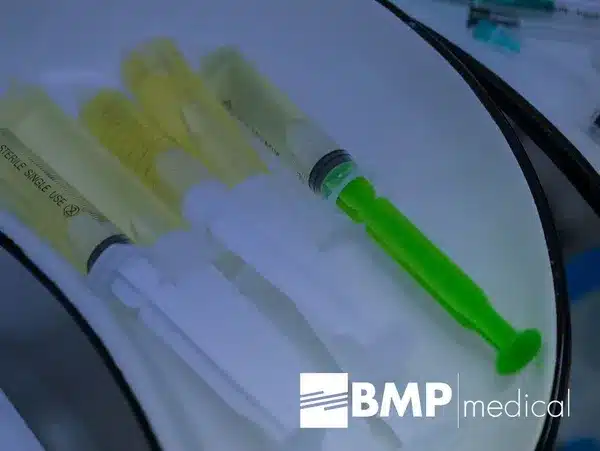
Single-use devices are those that are used on one patient during only one procedure and then disposed of. Reusable medical devices, on the other hand, are those that require reprocessing after a procedure, such as cleaning, disinfecting, and sterilization.
When selecting a single-use or disposable item over a reusable medical device, the number one factor to consider is risk to patient safety. Other factors include cross-contamination, environmental impact, cost-efficiency, and time savings.
| Single-Use Medical Devices | Disposable Medical Supplies | Reusable Medical Devices |
|---|---|---|
| Devices designed and labeled by the manufacturer for one patient use, then discarded.
Examples: Syringes, catheters, surgical staplers, biopsy forceps |
Broader category of low-cost, single-patient consumables used during care delivery.
Examples: Gloves, gowns, drapes, tubing sets, wound dressings |
Devices engineered to withstand repeated sterilization and use across multiple patients.
Examples: Surgical scissors, endoscopes, forceps, retractors |
There is no doubt that there has been a steady shift to disposable medical supplies and single-use medical devices over the years, and the trend is accelerating — the global single-use device market is projected to grow from $176 billion in 2025 to nearly $287 billion by 2034 1.
Healthcare-associated infections (HAIs) are a genuine threat to patients and can be very costly to hospitals and clinics in more ways than just exposure to insurance claims. Healthcare centers with elevated HAI rates may face direct financial penalties, including reduced Medicare and Medicaid payments.
Reusable medical devices have always carried a degree of risk for cross-contamination, surgical site infections, and HAIs far greater than that of a single-use device. Operations and procedures with reusable medical devices place patients at unnecessary risk. The numbers make the case clearly: according to the CDC, on any given day, roughly 1 in 31 hospitalized patients contracts a healthcare-associated infection 2. Annually, that totals nearly 1.7 million patients with HAIs in the United States alone 3.
Single-use devices, by contrast, are sterilized and individually packaged in cleanroom manufacturing environments, eliminating the contamination risks associated with reprocessing. This is the single strongest reason behind the industry's shift toward using single-use medical devices and disposable medical supplies. As infection control standards tighten, that shift is unlikely to reverse.
The most prominent issue with single-use medical devices and disposable supplies is the increase in biomedical waste and related environmental concerns. Disposing of biomedical waste – the supplies, materials, and devices contaminated with blood, bodily fluids, secretions, or excretions – must follow certain protocols. Biomedical waste is considered hazardous waste, and improper disposal can lead to cross-contamination and HAIs. In the United States alone, hospitals generate an estimated 4.3 million tons of waste each year 4 – of that, the WHO estimates 15% is hazardous (i.e., infectious or toxic) 5.
Single-use vs reusable medical devices: Pros and cons
| Factor | Single-Use Medical Devices | Reusable Medical Devices |
|---|---|---|
| Patient Safety Risk | Minimal; sterile, single-patient use eliminates cross-contamination | Higher; reprocessing failures can leave residual bioburden |
| Infection Control | Strong; no reprocessing means no HAI risk from the device itself | Dependent on sterilization compliance and validation |
| Upfront Cost | Lower per unit | Higher initial investment in durable instruments and sterilization infrastructure |
| Long-Term Cost | Predictable recurring spend; no hidden reprocessing costs | Ongoing costs for cleaning supplies, personnel training, equipment maintenance, and repair |
| Environmental Impact | Generates biomedical waste; recyclable thermoplastic options are emerging | Requires water, energy, and chemical disinfectants; the ecological footprint of reprocessing is significant |
| Time to Use | Immediate; delivered sterile and ready | Requires cleaning, sterilization, inspection, and repackaging between uses |
| Regulatory Complexity | Straightforward; validated once at manufacture | Ongoing reprocessing validation and compliance documentation required |
Medical waste is a critical factor in deciding between single-use and reusable medical devices. As single-use products are often viewed as environmentally unfriendly, manufacturers are working to change that perception. Some companies offer disposables made with biodegradable thermoplastic as a viable, environmentally friendly solution, as they can be easily recycled.
Reusable instruments carry their own environmental issues. Decontamination and sterilization require large amounts of water, detergents, chemical disinfectants, specialized cleaning equipment, steam production, and electricity. The impact these detergents and disinfectants have on the environment poses ecological concerns, and the additional energy drain to clean them is costly.
Moreover, there is a considerable process involved in reusing a medical device. Ongoing hidden costs for reprocessing add up quickly: cleaning supplies, personnel and training, equipment, decontamination or sterilization processes, repair and replacement, tracking and accounting, and other related upkeep. Single-use devices, on the other hand, are delivered ready for immediate use, and no time is spent on reprocessing, keeping costs more predictable and contained.
When weighing the pros and cons of single-use vs. reusable medical devices, the primary factor is patient safety. Single-use medical devices offer clear advantages: no risk of HAI from the product, immediate usage, and a growing list of environmentally friendly solutions, all of which prove more cost-efficient and offer time savings that reusable devices cannot match.
Though there is a place for reusable devices in medical practice and healthcare, the trend toward single-use medical devices and disposable medical supplies will continue to expand as newer, more efficient advances in medical device manufacturing and production contribute to higher-quality instruments at lower cost.
For OEMs and procurement teams considering this switch, the question is no longer whether to move toward single-use, but how quickly they can do so with the right manufacturing partner.
References:
All medical devices sold in the United States are regulated by the U.S. Food and Drug Administration (FDA). As such, any medical device manufactured, repackaged, relabeled, or imported by a company to sell in the U.S. must meet FDA regulations.
The FDA defines a medical device as "an instrument, apparatus, implement, machine, contrivance, implant, in vitro reagent, or other similar or related article including any component or accessory that is intended for use in the diagnosis, cure, mitigation, treatment, or prevention of disease, or intended to affect the structure or any function of the body." 1 That definition applies equally to Class I, Class II, and Class III devices.
The range of medical devices regulated is immense. Such things as pacemakers, cardiovascular stents, respiratory ventilators, surgical trays, breast implants, diagnostic tests (e.g., pregnancy tests, blood glucose tests, etc.), or relatively simple devices such as tongue depressors, patient scales, and elastic bandages – all require FDA approval. Regulatory policy for medical devices follows a three-tiered classification system.
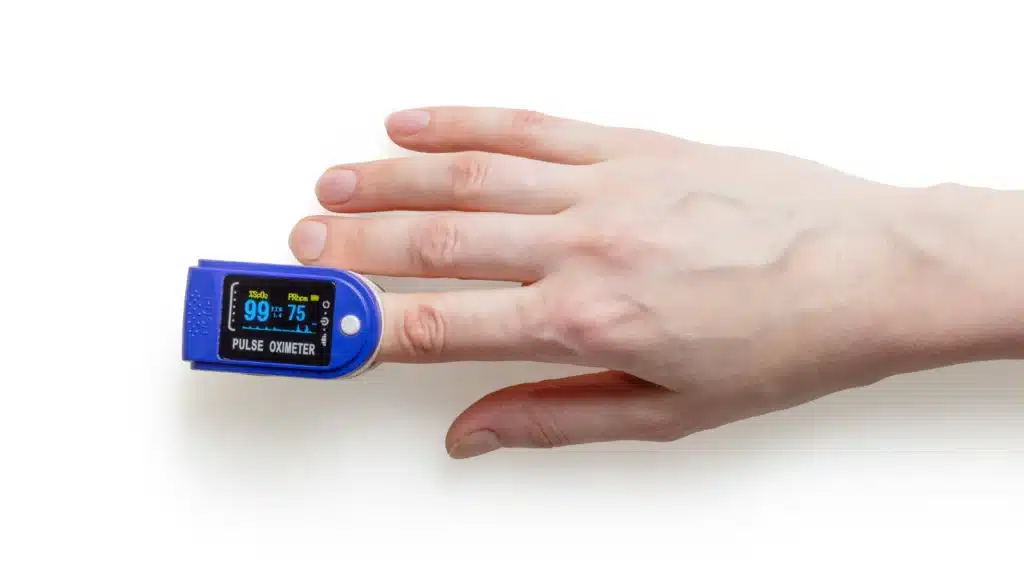
| Medical Device Class | Class I | Class II | Class III |
|---|---|---|---|
| Risk Level | Low to moderate | Moderate to high | High |
| Regulatory Pathway | General Controls (most are exempt from premarket notification) | General Controls + Special Controls; typically a 510(k) premarket notification | General Controls + Premarket Approval (PMA) |
| Common Examples | Elastic bandages, bedpans, tongue depressors, manual stethoscopes | Powered wheelchairs, pregnancy test kits, infusion pumps, contact lenses | Implantable pacemakers, heart valves, breast implants, deep-brain stimulators |
They are, simply, Class I, II, and III. Though the policy is straightforward enough, there are challenges. The FDA has classified around 1,700 different generic types of devices 2. These are grouped into 16 medical panels 2, which are then assigned to one of the three regulatory classes to determine the level of control necessary to ensure the safety and effectiveness of the device.
What then determines if your medical device is Class I, II, or III? The answer is risk.
Each medical device is classified by the risks associated with the device. The higher the class number, the greater the regulatory control, which further defines the regulatory requirements for a general device type.
Classification is determined not only by what risk the device poses to the patient and/or the user, but also the intended use of the device, along with any specialized indications for its use. For example, a standard scalpel may have the intended use to cut tissue of a patient, but a manufacturer may have a specialized scalpel specifically designed to make incisions in the cornea, which may affect its classification.
With that framework in mind, let's take a closer look at each of the three classifications of medical devices and what they mean for manufacturers.
A Class I medical device is one that poses a low to moderate risk to the patient and/or user. Today, 47% of medical devices fall under this category, and 95% of these are exempt from the regulatory process 3.
If a device falls into a generic category of exempted Class I devices, a premarket notification application and FDA clearance are not required before marketing the device in the U.S. However, the manufacturer is required to register their establishment and list their generic product with the FDA.
Class I devices are still subject to the FDA's General Controls, i.e., baseline requirements covering establishment registration, device listing, labeling, and Good Manufacturing Practices under the Quality System Regulation (21 CFR Part 820). The bar is lower than for Class II or Class III, but it isn't zero.
Examples of Class I medical devices include:
Class II medical devices carry a moderate to high risk to the patient or user. Around 43% of medical devices fall under this category 3. In fact, most medical devices on the US market are considered Class II devices.
In addition to the general controls required of all classes, Class II devices must also meet special controls. These can include specific labeling requirements, mandatory performance standards, postmarket surveillance, patient registries, and FDA guidance documents.
Most Class II medical devices reach the market through the 510(k) premarket notification pathway, in which the manufacturer demonstrates that their device is "substantially equivalent to a legally marketed predicate device," in other words, is it similar in safety and intended use to a device already on the market.
Examples of Class II medical devices include:
Class III medical devices are those that pose a high risk to the patient and/or user. These devices usually sustain or support life, are implanted, or present a potential unreasonable risk of illness or injury. They represent roughly 10% of medical devices regulated by the FDA 3.
Because of elevated risks, Class III devices require the most rigorous pathway: they must go through Premarket Approval (PMA).
The PMA process requires manufacturers to submit clinical evidence demonstrating that the device is safe and effective for its intended use. This is a more thorough review process than the 510(k) pathway used for most Class II devices. PMA review is also considerably longer and more resource-intensive than a 510(k), and approval comes with ongoing post-approval study and reporting obligations.
Examples of Class III devices include:
Understanding where your product falls within the FDA's medical device classes is, foremost, a regulatory checkbox, but also a significant factor that shapes design, material selection, documentation, and, ultimately, your manufacturing partner selection.
A misclassified device can mean months of rework and delayed launches, with costs escalating at every turn. Getting the classification right from the start – and partnering with a manufacturer that understands what each class demands – is one of the most practical ways to protect your timeline and budget.
BMP Medical is an FDA-approved original equipment manufacturer of medical devices. As part of our validation services, we advise and assist OEMs across the medical market. We help them understand the distinctions between the different medical device classifications and how they can influence the entire product development lifecycle.
Whether you're developing a Class I, II, or III medical device – or aren't sure about classification yet – our team can help you build a compliant, scalable manufacturing plan.
Contact BMP Medical today to schedule a consultation with our regulatory and manufacturing experts.
References:
In the ever-evolving field of healthcare, the materials used to create medical devices play a pivotal role in ensuring safety, efficiency, and innovation. Among these materials, plastics have emerged as a cornerstone for modern medical device manufacturing. Their versatility, durability, and cost-effectiveness make them an ideal choice for a wide range of applications. Below, we explore the key benefits of plastics in medical devices and how they contribute to advancing healthcare.
Plastics offer unparalleled design flexibility, enabling manufacturers to create intricate shapes and lightweight components. This versatility is crucial for developing devices tailored to specific medical needs, from syringes and IV bags to surgical instruments and diagnostic tools. Moreover, plastics can be easily molded into various forms, making it possible to design ergonomic and patient-friendly devices.
Medical-grade plastics are designed to meet stringent biocompatibility standards, ensuring they are safe for use in the human body. These materials are resistant to contamination, making them ideal for single-use devices that reduce the risk of infection. Additionally, plastics are often hypoallergenic, further enhancing their safety for patients.
Compared to metals and ceramics, plastics are more affordable to produce and process. This cost-effectiveness allows manufacturers to produce high-quality medical devices at scale, ensuring accessibility for healthcare providers and patients. The reduced production costs also encourage innovation by lowering the financial barriers to prototyping and testing new designs.
Plastics are both durable and lightweight, making them perfect for portable and wearable medical devices. Their resistance to impact and environmental factors ensures that devices remain functional even in challenging conditions. For example, plastic housings for medical electronics protect sensitive components while keeping the overall weight manageable.
One of the most critical requirements for medical devices is the ability to maintain sterility. Plastics can withstand various sterilization methods, including steam, radiation, and chemical processes, without compromising their integrity. This adaptability ensures that devices remain safe and effective for use in sterile environments.
Advances in polymer science have led to the development of eco-friendly and recyclable plastics, addressing concerns about sustainability. BMP Medical, for example, is committed to leveraging these innovations to reduce waste and promote environmentally responsible practices in the medical device industry.
The inherent properties of plastics, such as transparency and electrical insulation, enable enhanced functionality in medical devices. For instance, transparent plastic components are essential for fluid monitoring, while insulating properties are critical for electronic medical devices.
The benefits of plastic for medical devices are undeniable. From improving patient safety and reducing costs to fostering innovation and sustainability, plastics are integral to the future of healthcare. At BMP Medical, we pride ourselves on delivering high-quality, precision-engineered plastic components that meet the diverse needs of the medical industry. Contact us today to learn how we can partner with you to create innovative solutions for your medical device needs.
Reshoring medical device and component manufacturing is gaining traction as companies recognize the benefits of relocating production closer to home. For organizations relying on injection molding and injection blow molding, transferring operations to a trusted U.S.-based manufacturer like BMP Medical offers significant advantages, including enhanced quality control, Intellectual Property (IP) protection, compliance, cost and supply chain stability.
If you are considering transferring your medical device manufacturing from overseas, BMP Medical has the expertise and structured approach to ensure a smooth transition. Below, we outline the comprehensive process involved in transferring, alongside the benefits and key considerations.
At BMP Medical, we’ve developed a step-by-step process to simplify the complexities of transferring medical device manufacturing, ensuring efficiency and regulatory compliance at every stage.
1. Initial Assessment and Feasibility Study
This assessment provides a clear picture of your requirements and confirms the feasibility of the transfer.
2. Tooling Inspection and Validation
For existing molds, our expert engineers conduct a thorough inspection to determine their compatibility with BMP Medical’s equipment and processes. We:
If new tooling is needed, BMP Medical works closely with you to design and fabricate molds tailored for high-efficiency, quality production.
3. Production Setup and Process Optimization
Once tooling is approved, our team establishes a robust production process customized to your product’s specific needs. This stage includes:
4. Regulatory Compliance and Documentation
Compliance with U.S. regulations is at the core of BMP Medical’s process. We ensure:
5. Pilot Production and Full-Scale Manufacturing
Before scaling to full production, we run a pilot production phase to verify:
Once the pilot production is validated, we seamlessly transition to full-scale manufacturing, minimizing downtime and ensuring a steady supply.
By reshoring your manufacturing operations to BMP Medical, you gain:
BMP Medical has over four decades of experience in medical device manufacturing using advanced custom injection molding and blow molding techniques. Our focus on innovation, quality, and customer collaboration makes us a trusted partner for transferring production from overseas.
Contact BMP Medical today to discuss how our streamlined transfer process can enhance your manufacturing operations. With our expertise, you can achieve better control, superior quality, and a more resilient supply chain.
At BMP Medical, a leader in contract manufacturing for medical devices, we prioritize fostering a work environment that promotes growth, safety, and inclusivity for all employees. Our recent initiatives reflect our dedication to continuous improvement and workforce development, ensuring that our employees thrive in a supportive and dynamic setting.
Recognizing the diverse backgrounds of our team, we’ve implemented on-site English as a Second Language (ESL) and Spanish classes. These language programs enhance communication across the organization, enabling better collaboration and personal growth. By offering these courses at our facility, we make it convenient for our employees to build essential language skills that support both their personal and professional development.
Safety is a top priority at BMP Medical, a vital aspect of our contract manufacturing for medical devices. Recently, we held a mandatory, company-wide safety training program over three days, allowing all employees to attend without disrupting their work schedules. This training reinforced best practices and our commitment to maintaining a safe and compliant workplace.
We’re proud to have received an Express Grant through the Massachusetts Manufacturing Extension Partnership (MassMEP), which has enabled us to provide specialized training in Geometric, Dimensioning, and Tolerance (GD&T). So far, we have hosted two GD&T courses, equipping our team with advanced technical knowledge that enhances precision and quality in our manufacturing processes, critical to our role in contract manufacturing for medical devices.
MassMEP’s support through the Express Grant program has been instrumental in empowering our employees with the skills and education needed to improve operations. Their commitment to strengthening local businesses like BMP Medical aligns with our goal of continual workforce improvement.
At BMP Medical, investing in employee development is key to the success of our contract manufacturing for medical devices. By offering comprehensive training programs, we not only increase employee retention but also cultivate the skills necessary to fill key roles from within our team.
“Our training programs are designed to empower our workforce and give them the tools they need to keep our mission and vision aligned with our long-term goals.,” says Rawleen White, General Manager at BMP Medical. “By investing in our employees’ growth and providing them with the tools they need to succeed, we build a stronger, more cohesive, capable team that truly knows our utmost respect for them.”
At BMP Medical, we understand that investing in our employees is vital to driving innovation and maintaining operational excellence in contract manufacturing for medical devices. These initiatives are just a few examples of how we empower our workforce to succeed.
From disposable syringes to implantable components, medical injection molding underpins nearly every segment of modern healthcare, bringing to life the devices clinicians and patients rely on every day.
For medical device companies and OEMs, understanding how this process works – and what to look for in a manufacturing partner – is essential to launching safe, reliable products to market on time and within budget.
Here, we discuss medical injection molding processes, materials, standards, and key considerations that matter most.
Medical injection molding is a specialized manufacturing process to produce precise plastic components for healthcare applications. It involves injecting heated, medical-grade material into a custom-designed mold. Once the material cools and solidifies, the finished part is ejected, ready for use in medical devices.
Using injection molding, manufacturers can consistently produce parts with complex shapes and structures at high volumes, while maintaining strict tolerances. The medical industry relies on these molded components for a variety of applications, such as surgical instruments, diagnostic devices, and drug delivery systems.
The process follows four core stages:
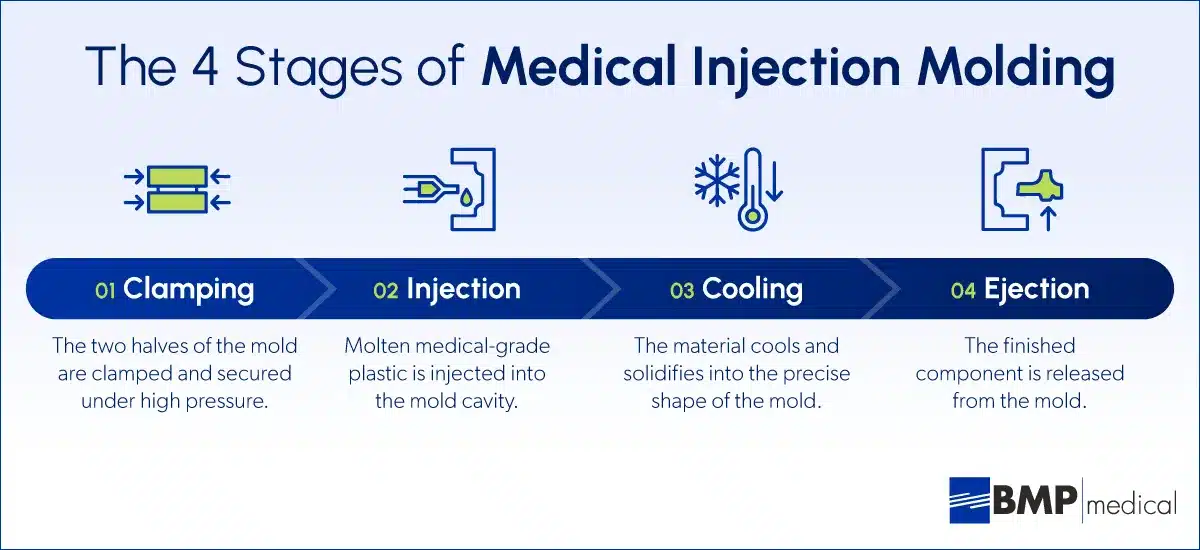
Medical injection molding vs. traditional injection molding: What sets medical injection molding apart from standard industrial molding is the level of control and accountability required at every stage.
Medical components must meet far tighter tolerances – in some cases down to ±0.001" – and the production takes place under strict regulatory standards inside ISO-classified cleanrooms.
Every single consideration – the material used, the process established, the parameters set, and, of course, the final component produced – must all meet performance standards. Starting from raw material entry to finished part storage, each step must be traceable and documented to meet FDA and ISO requirements.
For medical device companies and OEMs, the injection molding process goes beyond just shaping plastic. It's a critical part of product development that ultimately determines whether the product is safe enough for use in healthcare and consistent enough to be manufactured in millions without even the slightest variation.
There's one reason why injection molding has become the backbone of medical device manufacturing:
No other production method matches its combination of precision, scalability, and per-unit cost efficiency at the volumes healthcare demands.
Consider this: a single local hospital may use tens of thousands of disposable syringes, IV components, and diagnostic cartridges in a given week. Scale that across a mid-sized city with 4 or 5 hospitals, and we're looking at hundreds of thousands of molded components circulating through care settings in just a few days. Medical injection molding makes that kind of high-scale manufacturing feasible.
In addition to volume, another attribute that sets this process apart in the medical injection molding market is repeatability.
For instance, when a surgical component is molded, the ten-thousandth part needs to be dimensionally identical to the first. The margin for error is virtually zero. Injection molding's automated, closed-loop process control makes this level of consistency achievable.
For medical device OEMs and product development teams, this translates into four practical advantages:
Cost efficiency and consistency at scale
High upfront tooling costs are offset by low per-part costs, making injection molding the most cost-effective path to market for high-volume Class I and Class II devices. It also delivers part-to-part repeatability that machined processes simply can't match.
Design complexity
The process accommodates intricate designs and micro-features that would be difficult or impossible to achieve with other methods.
Material versatility
Manufacturers can select from a wide range of medical-grade thermoplastics tailored to their specific requirements, such as biocompatibility, chemical resistance, sterilization tolerance, and optical clarity, without sacrificing performance.
Regulatory-ready production
Compliant record-keeping can be seamlessly built into medical injection molding workflows. The process lends itself to the documentation and traceability required by the FDA and ISO standards.
Simply put, medical injection molding sits at the intersection of design, compliance, and commercial production, making it a sought-after process for bringing medical devices to market.
Medical injection molding touches nearly every corner of healthcare, from simple disposables to highly complex devices.
Here are some of the most common application categories:
Different applications in the injection molding medical industry require different approaches. The right process choice depends on part size, design, material behavior, regulatory classification, and functional requirements.
Here's a quick breakdown of the most common injection molding processes:
| Injection molding approach | What it is | Applications | Key considerations |
|---|---|---|---|
| Micro-molding | A highly specialized process for producing extremely small, high-precision, intricate components with micron-level precision. | Catheter tips, microfluidic devices, hearing aid components, implantable parts, micro-surgical tools | Requires specialized tooling and tight process control |
| Insert molding | A process for molding plastic around a pre-placed component (often metal) to create a single integrated part. | Components with embedded metal contacts, such as needle hubs and threaded fasteners | Precise placement is critical to part quality and performance |
| Overmolding | A secondary molding process where one material is molded over another to create a single integrated part. | Ergonomic grips on surgical tools, soft-touch device housings, and wearable components | Material compatibility between layers must be validated |
| Liquid silicone rubber (LSR) molding | Injection of liquid silicone into a heated mold to produce flexible, biocompatible parts. | Seals, valves, gaskets, respiratory masks, tubing, wearable medical components, and implantable-grade parts. | Excellent biocompatibility but requires specialized tooling and controlled handling |
| Thin-wall molding | Advanced molding to produce lightweight parts with thin walls while maintaining extremely tight tolerances and structural integrity. | Surgical instruments, disposable containers, diagnostic cartridges, and packaging | Requires rigorous validation and monitoring; demands precise injection and cooling conditions |
An experienced medical device manufacturing partner can help determine which approach – or combination of approaches – fits your program. At BMP Medical, we help you choose the right material or consult with our vendors to custom-formulate a polymer blend to best fit your needs.
In the injection molding medical industry, material selection starts with the end use: Will the part be sterilized repeatedly or disposed of after a single use? Does it need to withstand prolonged body contact or mechanical stress? Answers to these questions can help narrow material selection.
Common Medical-Grade Materials
Below are the commonly used medical-grade materials for injection molding across the medical device market:
| Material | Typical use | Why it's chosen |
|---|---|---|
| PEEK | Implantable components, surgical tools | Exceptional strength, heat resistance; replaces metal in some implantables |
| PP (Polypropylene) | Syringes, labware, caps, containers, disposables | Cost-effective, lightweight, versatile, good chemical resistance |
| PC (Polycarbonate) | IV connectors, blood oxygenators, diagnostic housings, transparent parts | Go-to choice when transparency and toughness are both required |
| PE (Polyethylene) | Tubing, fluid management, bottles | Accommodates diverse device requirements, chemical resistance |
| Silicone (LSR) | Seals, gaskets, valves, wearables, catheters | Excellent biocompatibility, sterilization durability |
Biocompatibility Considerations
Any material that comes in contact with the human body – directly or indirectly – must meet biocompatibility standards.
This isn't a single pass/fail test. It's a series of assessments covering cytotoxicity, sensitization, irritation, and more, tailored to the nature and duration of body contact. OEMs benefit from accounting for these biocompatibility requirements early on to avoid regulatory delays.
Sterilization resistance
Medical components must withstand sterilization without degrading or warping. As such, material choice should match the intended sterilization method to maintain both performance and safety.
One of the key advantages of working with a leading medical injection molding company is getting manufacturing consultations early, ideally when the design is still taking shape.
BMP Medical works closely with clients from the design phase through production, ensuring that each component is tailored to meet specific needs. This collaboration starts with Design for Manufacturability (DFM) feedback, where we review part design, wall thicknesses, geometry, angles, and tolerances to catch potential molding issues before they become expensive revisions.
From here, we use rapid prototyping to quickly test and refine products, validating form, fit, and function before committing to production tooling and, ultimately, full-scale production.
Here's what the end-to-end process looks like in practice:
| Concept | DFM Review | Prototyping and Validation | Tooling and Pilot Runs | Full-Scale Production |
|---|---|---|---|---|
| Initial design is reviewed and materials are recommended based on device requirements and regulatory pathway. | Design is evaluated for manufacturing feasibility, identifying potential issues with geometry and materials. | Rapid prototypes are created to test for form, fit, and function, allowing design refinement before production. | Production tooling is built and validated with pilot runs confirming part quality, consistency and process stability. | Seamless transition to high-volume manufacturing with established quality controls in place. |
These sequential steps and timely check-ins reduce the risk of late-stage design changes or mid-program retooling that can expand timelines and budgets.
Medical injection molding companies, like BMP Medical, must adhere to stringent regulatory standards, including ISO certifications and FDA guidelines. These regulations ensure that any product that ends up in or on a patient meets the required safety and performance criteria, which is especially important in medical applications where even minor defects can have serious consequences.
Two regulatory frameworks govern the vast majority of injection molding processes:
Medical components are typically molded in controlled environments to minimize particulate contamination. Cleanroom classifications, such as ISO Class 7 or Class 8, define acceptable levels of particulate counts per cubic meter of air.
Continuously monitoring airborne particulate levels is a non-negotiable requirement for manufacturing medical parts that contact patients, dispense drugs, or require sterile packaging.
From raw material lot numbers to finished components' batch details, regulatory bodies expect detailed records for traceability. This chain of documentation is supported by formal process validation, commonly referred to as IQ/OQ/PQ (Installation Qualification, Operational Qualification, Performance Qualification), which confirms that all equipment and processes perform as intended and the manufactured parts are within specification.
Questions to ask your medical molding and manufacturing partner:
|
The industry is evolving with the integration of new technologies. As medical devices become more sophisticated, molding companies are adopting cutting-edge materials and processes to enhance performance, durability, and biocompatibility.
Advanced polymers: The next generation of thermoplastics expands what's possible – improved chemical resistance, lighter weight, and enhanced biocompatibility – making them ideal for single-use medical devices.
Miniaturization: As medical devices shrink in size, continued innovation in micro-molding enables smaller, more intricate components for minimally invasive point-of-care diagnostics and wearables.
Multi-material and complex part integration: Techniques such as overmolding and insert molding enable more functional, consolidated designs without increasing assembly time.
Sustainability: The medical device industry is beginning to address the environmental impact of plastic use. Recycled and bio-based resins are being used where regulations permit, and processes are being intentionally optimized to reduce material waste and energy consumption.
Automation and process control: Robotics, digital monitoring systems, and data-driven quality control are improving consistency and further propelling large-scale production.
As the medical injection molding market moves toward smaller, smarter, and more sustainable components, the manufacturing partners who invest in these capabilities now will be best positioned to support the next generation of devices.
BMP Medical remains at the forefront of these developments by investing in state-of-the-art equipment and fostering a culture of continuous improvement.
With decades of experience and a commitment to innovation, BMP Medical has established itself as a trusted partner for companies seeking high-quality, reliable medical injection molding services. But what sets us apart isn't just capability, it's how we partner with OEMs.
End-to-end partnership: BMP is involved from early-stage DFM consultation through full-scale production, so there are fewer handoffs and a faster path from concept to market.
Regulatory expertise built in: We are ISO 13485-certified and FDA 21 CFR Part 820-compliant, with cleanroom manufacturing, full traceability, and validated processes as our operating standard.
A team that understands your market: BMP's engineers understand the regulatory and performance demands that medical device companies navigate every day.
Take a look at our success stories.
Our focus on precision, regulatory compliance, and customer collaboration ensures that we deliver solutions that meet the evolving needs of the healthcare industry – whether you're developing a first-generation device or scaling an established product line.
Ready to discuss your next project? Explore BMP Medical's injection molding capabilities.
The future of laboratory equipment for chemists is likely to be influenced by several factors, including advancements in technology, the evolving needs of research and industry, and emerging trends in chemistry. While it's difficult to predict specific equipment that will be needed in the future, we can identify some general trends and areas where innovation is likely to play a significant role:
Automation and Robotics: The integration of automation and robotics in laboratories will continue to expand. This includes automated liquid handling systems, robotic sample preparation, and high-throughput screening platforms. These technologies can streamline experiments, reduce human error, and accelerate research.
Advanced Analytical Instruments: There will be a growing demand for more advanced analytical instruments with higher sensitivity, resolution, and speed. Mass spectrometers, NMR spectrometers, and electron microscopes are examples of equipment that may see continuous improvements.
Miniaturization and Portable Devices: Miniaturized and portable analytical devices will become increasingly important, especially for fieldwork, environmental monitoring, and point-of-care testing. This trend is driven by the need for on-site and real-time analysis.
Data Analytics and AI Integration: With the proliferation of data, chemists will need equipment that can collect, process, and analyze large datasets efficiently. Integration with artificial intelligence (AI) and machine learning tools will be crucial for data interpretation and pattern recognition.
Green and Sustainable Technologies: As environmental concerns grow, there will be a greater emphasis on laboratory equipment that supports green and sustainable chemistry. This includes equipment for energy-efficient synthesis, waste reduction, and environmentally friendly processes.
Materials Characterization: As materials science and nanotechnology continue to advance, chemists will require specialized equipment for characterizing and manipulating nanomaterials, polymers, and advanced materials.
Synthesis and Reaction Monitoring: Instruments that enable real-time monitoring of chemical reactions, such as in situ spectroscopy and continuous flow chemistry systems, will become more important for process optimization and safety.
Biotechnology and Molecular Biology Tools: With the increasing intersection of chemistry and biology, chemists may need equipment for molecular biology techniques, such as gene editing, PCR, and cell culture.
Personal Protective Equipment (PPE) Innovations: In light of global health events like the COVID-19 pandemic, there may be innovations in PPE for laboratory personnel to ensure safety during experiments and reduce the risk of contamination.
Environmental Analysis and Monitoring: The need for equipment to analyze and monitor environmental pollutants, water quality, and air quality will persist and likely evolve with stricter regulations.
Energy Storage and Conversion: Equipment related to energy storage (e.g., batteries) and conversion (e.g., fuel cells) will be essential as society continues to focus on sustainable energy solutions.
Educational Tools: As chemistry education evolves, there will be a demand for innovative laboratory equipment and simulations to enhance teaching and learning in chemistry-related fields.
It's important to note that the development of new laboratory equipment is often driven by the specific research needs and challenges of the time. Therefore, the exact equipment needed in the future will depend on the direction of scientific research and technological advancements. Chemists and researchers should stay informed about emerging trends and collaborate with instrument manufacturers to address their evolving requirements.
BMP Medical provides plastic contract manufacturing services to leading medical device and diagnostic customers in need of injection molding and injection blow molding. BMP Medical’s 80,000 sq. ft. facility is headquartered in Sterling, Massachusetts. BMP Medical is a global contract manufacturer servicing the Medical Device and Medical Diagnostic markets in all areas, including, but not limited to, IVD, IV access, sample-preparation devices, and lateral-flow technologies. BMP Medical can service our partner requirements on a worldwide basis. Certifications: ISO13485:2016; FDA registration #1220502; ISO Class 8 injection molding; ISO Class 8 assembly & packaging; 21 CFR 820 Quality System Regulation; and FDA registered. Services Offered: Class 7 Assembly, Clean Room Manufacturing (Class 8), Clean Room Packaging and Assembly (Class 8), Custom Assembly & Packaging, Custom Injection Blow Molding (IBM), Custom Injection Molding, DNase- and RNase-free manufacturing, FDA Registered Facility, Product design & development services, R&D tooling, and Sterilization services. Learn more about BMP Medical!
Efficiency and precision are paramount in the medical device manufacturing industry. As technology advances and regulatory requirements become more stringent, the need for streamlining the assembly process has never been more critical. In this blog, we'll explore the best practices in medical device manufacturing that contribute to a streamlined and efficient assembly process.
Embracing automation and robotics can significantly enhance the assembly process in medical device manufacturing. Automated systems reduce the margin for error, increase production speed, and ensure consistent quality. Robotics can handle intricate tasks, contributing to precision in assembling complex medical devices.
Adopting lean manufacturing principles involves eliminating waste and optimizing processes. This approach emphasizes continuous improvement and involves identifying and minimizing non-value-added activities. By implementing lean practices, manufacturers can reduce production time, minimize errors, and ultimately enhance the overall efficiency of the assembly line.
Developing and adhering to standardized operating procedures is crucial for maintaining consistency in the assembly process. SOPs outline step-by-step instructions, quality control measures, and safety protocols. Consistent adherence to SOPs ensures that every unit produced meets the same high standards, minimizing defects and facilitating a smoother assembly process.
Engaging in collaborative product lifecycle planning involves working closely with all stakeholders from the initial design phase to post-production. By fostering collaboration among design engineers, manufacturers, and quality control teams, potential issues can be identified and addressed early in the process, leading to a more efficient assembly phase.
Well-trained and skilled personnel are invaluable assets in streamlining the assembly process. Providing comprehensive training programs ensures that employees understand the intricacies of the devices they are assembling, can troubleshoot effectively, and adhere to the highest quality standards. Investing in the development of employee skills contributes to a more competent and efficient workforce.
Implementing robust quality control and inspection protocols is non-negotiable in medical device manufacturing. Regular inspections at various stages of the assembly process help identify and rectify defects promptly. This proactive approach not only ensures the production of high-quality devices but also prevents the escalation of issues, saving time and resources in the long run.
Selecting and utilizing advanced materials can simplify the assembly process. Materials with enhanced properties, such as biocompatibility, durability, and ease of molding, contribute to more straightforward manufacturing processes. Additionally, advanced materials often allow for innovative designs that can simplify assembly without compromising the device's performance.
Streamlining the assembly process in medical device manufacturing is a multifaceted endeavor that involves the integration of advanced technologies, adherence to best practices, and continuous improvement. By embracing automation, adhering to standardized procedures, and fostering collaboration throughout the product lifecycle, manufacturers can enhance efficiency, reduce costs, and, most importantly, ensure the production of high-quality, reliable medical devices. As the industry continues to evolve, staying at the forefront of innovative manufacturing practices will be key to success in the competitive landscape of medical device manufacturing.
BMP Medical provides plastic contract manufacturing services to leading medical device and diagnostic customers in need of injection molding and injection blow molding. BMP Medical’s 80,000 sq. ft. facility is headquartered in Sterling, Massachusetts. BMP Medical is a global contract manufacturer servicing the Medical Device and Medical Diagnostic markets in all areas, including, but not limited to, IVD, IV access, sample-preparation devices, and lateral-flow technologies. BMP Medical can service our partner requirements on a worldwide basis. Certifications: ISO13485:2016; FDA registration #1220502; ISO Class 8 injection molding; ISO Class 8 assembly & packaging; 21 CFR 820 Quality System Regulation; and FDA registered. Services Offered: Class 7 Assembly, Clean Room Manufacturing (Class 8), Clean Room Packaging and Assembly (Class 8), Custom Assembly & Packaging, Custom Injection Blow Molding (IBM), Custom Injection Molding, DNase- and RNase-free manufacturing, FDA Registered Facility, Product design & development services, R&D tooling, and Sterilization services. Learn more about BMP Medical! https://bmpmedical.com
Join us for an insightful conversation with industry experts on commercial science careers and market dynamics.

Link: https://youtu.be/-PmY4s3l090?si=RaT8QmV4aj-zdJtH
Please check out the latest MEDTECH Makers interview with John Faulkner, Vice President of Sales and Marketing at BMP Medical. John discusses the importance of collaboration within medical device manufacturing and shares his humble thoughts on creating a path for success.